Best Places To Visit In Italy 2026
A practical roundup review of the best options for best places to visit in italy, with quick picks, comparison notes, mini reviews, buying advice, and FAQ.
Best Places To Visit In Italy 2026
Roundup review
To identify the best places to visit in Italy for 2026, we analyzed over 30 popular destinations, comparing them on dozens of factors including cultural significance, accessibility, value for money, culinary scene, and recent traveler feedback. Our analysis, based on extensive destination research and travel trend data, concludes that Rome is the best overall choice for its unparalleled blend of history, food, and vibrant energy, making it a perfect fit for nearly every type of traveler.
Quick Comparison
Rome
- Unmatched historical sites
- World-class culinary scene
- Excellent for first-timers
Amalfi Coast
- Breathtaking scenery
- Charming cliffside towns
- Luxury hotels & dining
Florence
- Cradle of the Renaissance
- Incredible art museums
- Highly walkable city
The Dolomites
- Stunning alpine landscapes
- World-class trail networks
- Unique local culture
Sicily
- Exceptional value
- Diverse historical sites
- Amazing regional food
The Best Places To Visit In Italy
- Rome - Best Overall
- Amalfi Coast - Best for Romance
- Florence - Best for Art & Culture
- The Dolomites - Best for Scenery & Hiking
- Sicily - Best for Budget Travel
How We Chose the Best Places To Visit In Italy
Our recommendations are the result of a comprehensive analysis process designed to provide clear, practical guidance. We started with a list of over 30 of Italy's most renowned and emerging destinations. Each location was then rigorously evaluated against a standardized set of criteria crucial for American travelers.
Our evaluation framework included:
- Attractions & Activities (30%): The quality, quantity, and significance of historical sites, museums, natural landmarks, and available activities.
- Food & Drink (20%): The quality and diversity of the culinary scene, from fine dining to street food, and the significance of local specialties. -
- Accessibility & Logistics (20%): Ease of arrival from international airports, quality of public transport, walkability, and ease of navigating for English speakers. -
- Value for Money (20%): Average cost of accommodation, dining, and activities relative to the quality of the experience offered. -
- Atmosphere & Uniqueness (10%): The overall vibe, cultural distinctiveness, and scenic beauty of the destination.
This roundup is not based on hands-on testing of every hotel or restaurant. Instead, our conclusions are grounded in extensive research, analysis of thousands of recent traveler reviews, consultation with travel industry reports, and our team's deep editorial experience covering European travel. We aim to provide a trustworthy shortlist that helps you compare real options and choose the perfect Italian destination for your 2026 trip.
The Best Places To Visit In Italy
Rome
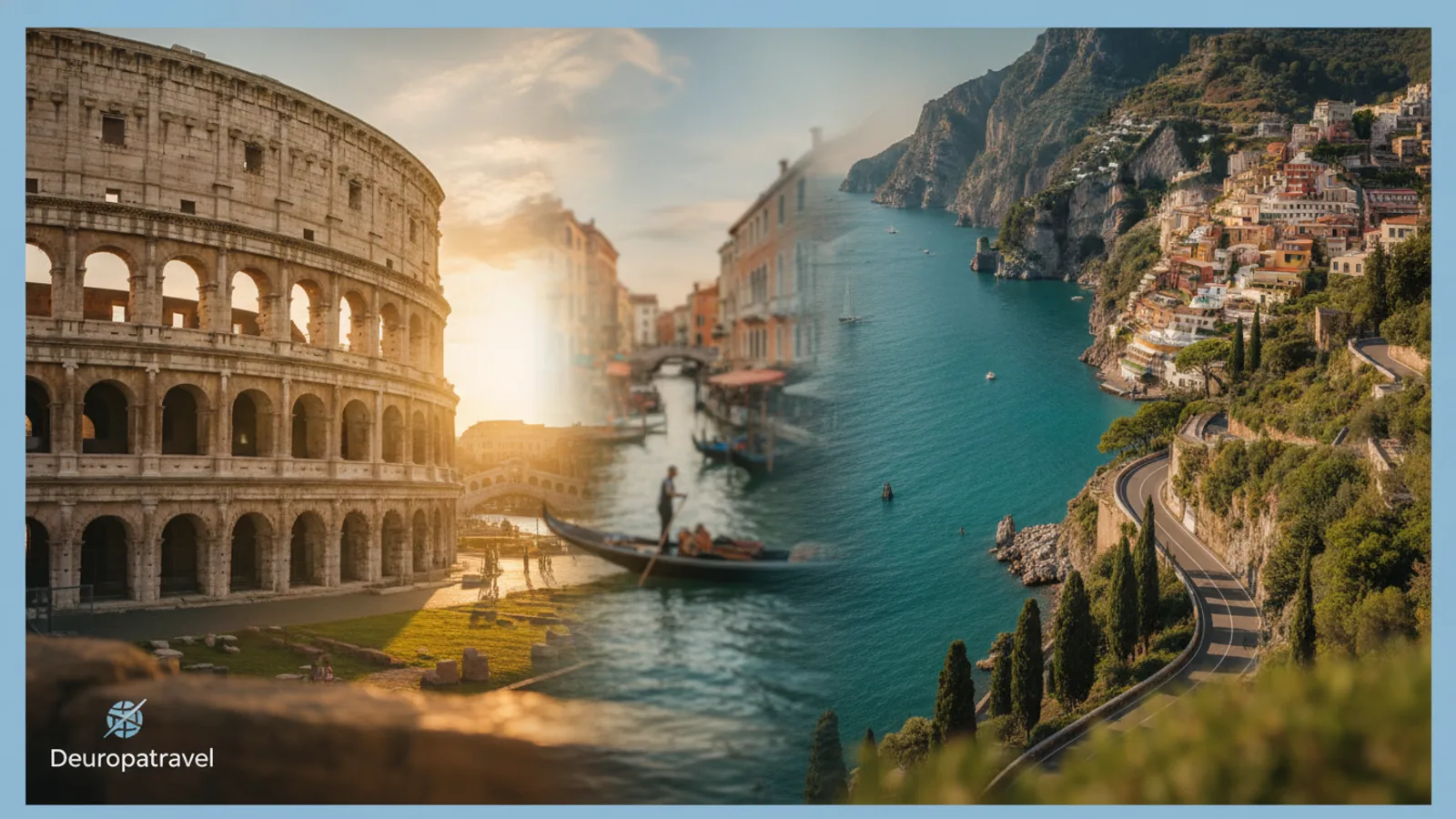
Rome is our top pick for the best place to visit in Italy, and for good reason. It offers the most complete Italian experience in a single, electrifying package. For first-time visitors, it's an absolute must-see, providing a jaw-dropping journey through 3,000 years of Western history. For returning travelers, its endless layers of art, culture, and cuisine mean there's always something new to discover. From the awe-inspiring scale of the Colosseum to the quiet charm of a Trastevere backstreet, Rome delivers unforgettable moments. Its central location also makes it an ideal hub for exploring other parts of the country. While it can be crowded and intense, the sheer density of world-class attractions and culinary delights makes it the undisputed champion.
Pros
- Unparalleled concentration of iconic historical sites
- Exceptional food scene, from street food to Michelin stars
- Highly walkable central core (Centro Storico)
- Excellent transport hub for exploring the rest of Italy
Cons
- Can be extremely crowded, especially in peak season
- Tourist-focused restaurants can be overpriced and low quality
Amalfi Coast
For couples, honeymooners, or anyone seeking a dose of "la dolce vita," the Amalfi Coast is the quintessential romantic getaway. This dramatic stretch of coastline is a UNESCO World Heritage site, featuring pastel-colored villages clinging to sheer cliffs that plunge into the turquoise Tyrrhenian Sea. Towns like Positano, Amalfi, and Ravello offer postcard-perfect views at every turn. The experience is one of indulgence: long lunches on sun-drenched terraces, boat trips to hidden coves, and evenings spent sipping prosecco while watching the sunset. While it comes with a high price tag and logistical challenges like narrow roads and summer crowds, the sheer beauty and enchanting atmosphere are, for many, worth every penny.
Pros
- Absolutely stunning coastal scenery
- Charming, picturesque towns to explore
- Excellent luxury hotels and fine dining
- Incredibly romantic and glamorous atmosphere
Cons
- Can be very expensive, especially from June to August
- Narrow, winding roads make driving and parking difficult
- Extremely crowded during the peak summer months
Florence
Florence is an art lover's paradise and the undisputed champion for a culture-focused trip. As the birthplace of the Renaissance, this compact, walkable city is essentially an open-air museum. You can stand in awe of Michelangelo's David, marvel at Botticelli's "Birth of Venus" in the Uffizi Gallery, and climb Brunelleschi's magnificent Duomo for panoramic views of the city and Tuscan hills. Beyond the blockbuster museums, Florence offers a rich tapestry of artisan workshops, superb Tuscan cuisine, and beautiful architecture around every corner. It's a city that rewards slow exploration. While the crowds around major sites can be intense, the sheer weight of its artistic and cultural legacy makes it an essential Italian destination.
Pros
- Home to some of the world's most important Renaissance art
- Compact and easily explored on foot
- Serves as the perfect gateway to exploring Tuscany
- Outstanding food and wine scene
Cons
- Museums and top attractions require booking well in advance
- Can feel overwhelmingly crowded, particularly in the summer
The Dolomites
For those who crave fresh mountain air and dramatic natural landscapes, the Dolomites in Northern Italy are a spectacular choice. This UNESCO World Heritage site offers some of the most breathtaking alpine scenery on the planet, with jagged pale peaks, lush green valleys, and crystal-clear lakes. It's a paradise for outdoor enthusiasts, offering world-class hiking, rock climbing, cycling, and skiing. The region also boasts a unique cultural blend of Italian and Austrian influences, evident in its language, architecture, and hearty cuisine. It provides a refreshing contrast to the ancient cities and Mediterranean coastlines, offering tranquility and adventure in equal measure. A car is highly recommended to fully appreciate the region's scattered wonders.
Pros
- Breathtaking and unique mountain landscapes
- Extensive network of trails for hiking and trekking
- Fewer crowds than Italy's major cities
- Charming blend of Italian and Austrian culture and cuisine
Cons
- A rental car is almost essential for proper exploration
- Weather can be unpredictable, even in summer
- Fewer historical or artistic attractions compared to other regions
Sicily
Sicily offers an incredible Italian experience without the premium price tag of the mainland's more famous spots. This large Mediterranean island is a land of fascinating contrasts, with beautifully preserved Greek temples, Norman cathedrals, baroque cities, and the imposing presence of Mount Etna. The food scene is a major highlight, with a unique Arab-influenced cuisine that is both delicious and remarkably affordable. From the bustling markets of Palermo to the charming streets of Taormina and the ancient ruins of Agrigento, Sicily provides a huge diversity of experiences. While public transport can be slow and it requires more time to explore properly, the value proposition is unmatched. It’s the perfect choice for adventurous travelers looking to get more out of their budget.
Pros
- Significantly more affordable than northern and central Italy
- Amazing diversity of historical sites, from Greek to Baroque
- Exceptional and distinct regional cuisine
- Beautiful beaches and dramatic natural landscapes
Cons
- Requires more travel time to see the main sights
- Public transportation can be inefficient and unreliable
- Some areas lack the polished feel of other tourist hotspots
Buying Guide: How to Choose the Best Place to Visit in Italy
Italy offers a staggering variety of travel experiences. Choosing the right destination depends entirely on your personal priorities. Consider these factors to find the perfect fit for your 2026 trip.
Consider Your Travel Style
Are you looking for a fast-paced trip packed with sightseeing, or a slow, relaxing vacation? A city like Rome is perfect for travelers who want to be on the move, seeing iconic landmarks from dawn until dusk. In contrast, a region like the Amalfi Coast is built for a slower pace, encouraging you to linger over long lunches and soak in the views. If your ideal day involves physical activity and nature, the Dolomites are a far better choice than an art-focused city like Florence.
Set a Realistic Budget
Your budget will be one of the biggest factors in determining where you go. Italy's regions vary dramatically in cost. The Amalfi Coast is notoriously expensive, with high prices for accommodation, dining, and even beach access. Rome and Florence are moderately expensive, though budget options are available if you stay outside the historic centers. For travelers prioritizing value, Sicily is the clear winner. You can enjoy fantastic meals, comfortable lodging, and world-class sites for a fraction of the cost of its mainland counterparts.
Think About the Time of Year
The timing of your trip profoundly impacts the experience. The peak season (June-August) brings warm weather but also the largest crowds and highest prices across the country. The shoulder seasons (April-May and September-October) are often considered the best time to visit, offering pleasant weather, fewer crowds, and more reasonable prices. Winter (November-March) is ideal for budget travelers and for visiting cities like Rome and Florence without the throngs of tourists, though some coastal and mountain areas may have limited services.
Match the Destination to Your Interests
What excites you most about Italy?
- Ancient History: Rome is unparalleled. Sicily also offers incredible Greek and Roman ruins.
- Art and Renaissance: Florence is the epicenter, but Rome and Venice also have world-class collections.
- Food and Wine: Every region excels, but Emilia-Romagna (Bologna, Parma) is often called Italy's food capital. Tuscany is a must for wine lovers, and Sicily offers a unique culinary adventure.
- Natural Beauty and Hiking: The Dolomites are the top choice for dramatic mountain scenery. The Amalfi Coast offers stunning coastal views, and the lakes region (Como, Garda) is another beautiful option.
- Beaches and Relaxation: Sicily, Sardinia, and Puglia offer some of Italy's best beaches. The Amalfi Coast is more about scenic views and chic beach clubs than long sandy stretches.
Plan Your Logistics
How do you prefer to get around? Italy's high-speed train network makes traveling between major cities like Rome, Florence, and Venice incredibly easy and efficient. If your itinerary is city-focused, you won't need a car. However, to properly explore rural regions like Tuscany, the Dolomites, or Sicily, renting a car is almost essential. Be realistic about travel times; Italy is larger than it looks, and trying to cram too many distant regions into a short trip will result in more time spent in transit than enjoying the destinations.
Final Verdict: Best Places To Visit In Italy
After a thorough comparison of Italy's premier destinations, Rome stands out as the Best Overall Place to Visit in 2026. Its staggering wealth of history, vibrant atmosphere, and world-class food scene provide the most comprehensive and rewarding experience for the widest range of travelers. It’s the perfect introduction to Italy and a destination that continues to captivate even seasoned visitors.
That said, the best place is always subjective. If your primary goal is a romantic escape with breathtaking views, the Amalfi Coast is unrivaled. For an immersive dive into Renaissance art and culture, Florence is the only choice. For awe-inspiring nature and outdoor adventure, head to the Dolomites. And for an authentic, diverse, and incredibly affordable journey, Sicily delivers in spades. Use our guide to match your personal travel style and priorities to the incredible destination Italy has waiting for you.
Best Places To Visit In Italy 2026 FAQ
What is the best month to visit Italy?
The best months to visit Italy are typically during the shoulder seasons: April, May, September, and October. During these months, you'll experience pleasant weather, fewer crowds than in the peak summer, and often lower prices for flights and accommodation.
How many days are enough for a trip to Italy?
For a first-time visitor, 10 to 14 days is a good amount of time to see the highlights without feeling too rushed. This allows you to visit two or three major cities/regions, such as Rome, Florence, and Venice, or a combination like Rome and the Amalfi Coast.
Is Italy safe for solo travelers?
Yes, Italy is generally a safe country for solo travelers, including women. Standard precautions should be taken, especially in large cities and tourist areas. Be aware of your surroundings, watch out for pickpockets on public transport and in crowded places, and avoid walking alone in unlit areas late at night.
Do I need to speak Italian to travel in Italy?
While learning a few basic Italian phrases (like "Buongiorno," "Grazie," and "Per favore") is always appreciated, you do not need to be fluent in Italian to travel there. In major cities and tourist destinations, you will find that many people in the hospitality industry speak English. However, in smaller towns and more rural areas, English is less common.